
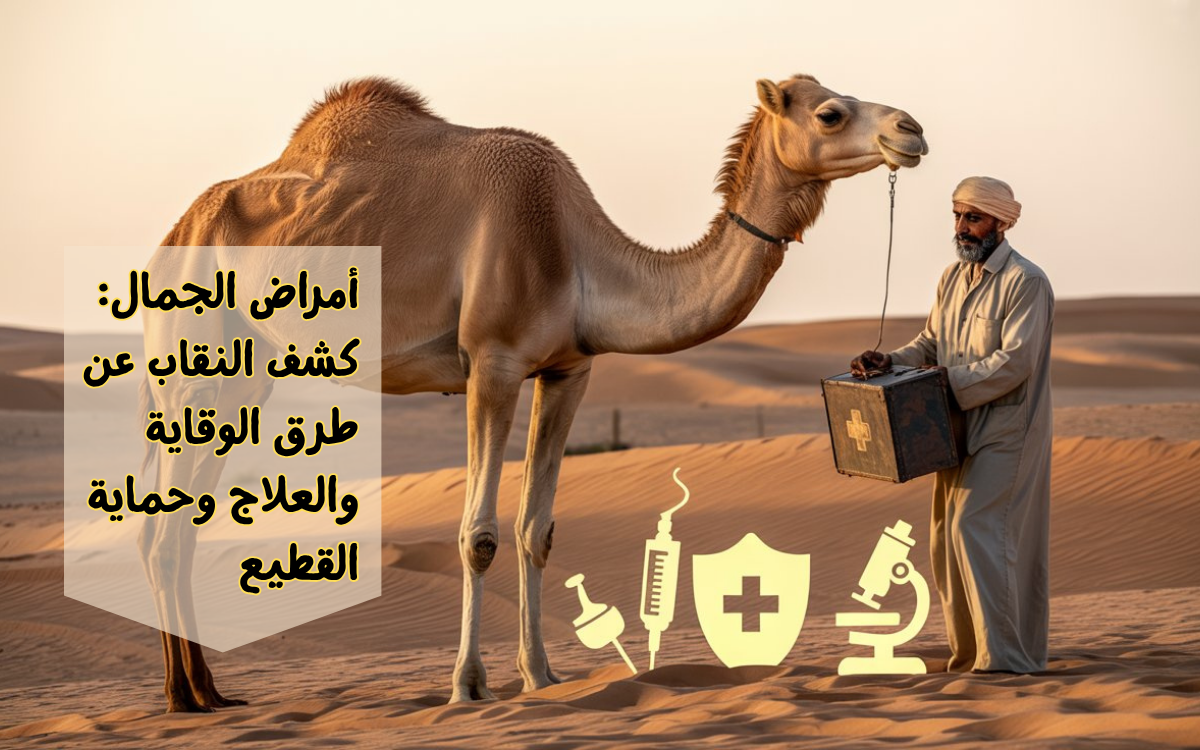

More Than Just Humps – The Vitality of Camel Health
Camels are the epitome of resilience – thriving in harsh arid environments where few other creatures can survive. These remarkable animals provide transportation, milk, meat, wool, and hold immense cultural significance across Africa, Asia, and the Middle East.
However, this resilience shouldn’t be mistaken for invincibility. Like all livestock, camels face numerous infectious and parasitic diseases that can devastate herds, destroy livelihoods, and even threaten human health. Understanding these threats is essential for camel owners, herders, and veterinarians.
This presentation explores the most significant camel diseases, providing crucial knowledge on identification, prevention, and treatment strategies to protect these magnificent creatures.
Middle East Respiratory Syndrome (MERS): A Zoonotic Threat
The Culprit
MERS-CoV primarily affects dromedary (one-humped) camels, which serve as reservoir hosts. The virus often causes mild or no symptoms in camels but poses significant risk to humans.
Symptoms in Camels
Often subtle or absent! Infected camels might show mild signs like a runny nose, but many appear perfectly healthy while shedding the virus, making control challenging.
Transmission
Spreads between camels through close contact and respiratory droplets. Humans contract it through direct contact with infected camels or consuming raw camel products.
Prevention is paramount: practice rigorous handwashing after camel contact, avoid raw camel products, wear protective gear when handling camels, isolate newborn calves from potentially infected adults, and implement strict biosecurity measures. There is no specific treatment for MERS in camels; the focus must remain on preventing human infection.
Trypanosomiasis (Surra): The Silent Drain
The Culprit
Caused by protozoan parasite Trypanosoma evansi, transmitted by biting flies rather than tsetse flies. Widespread in Asia, North Africa, the Middle East, and Latin America.
Symptoms
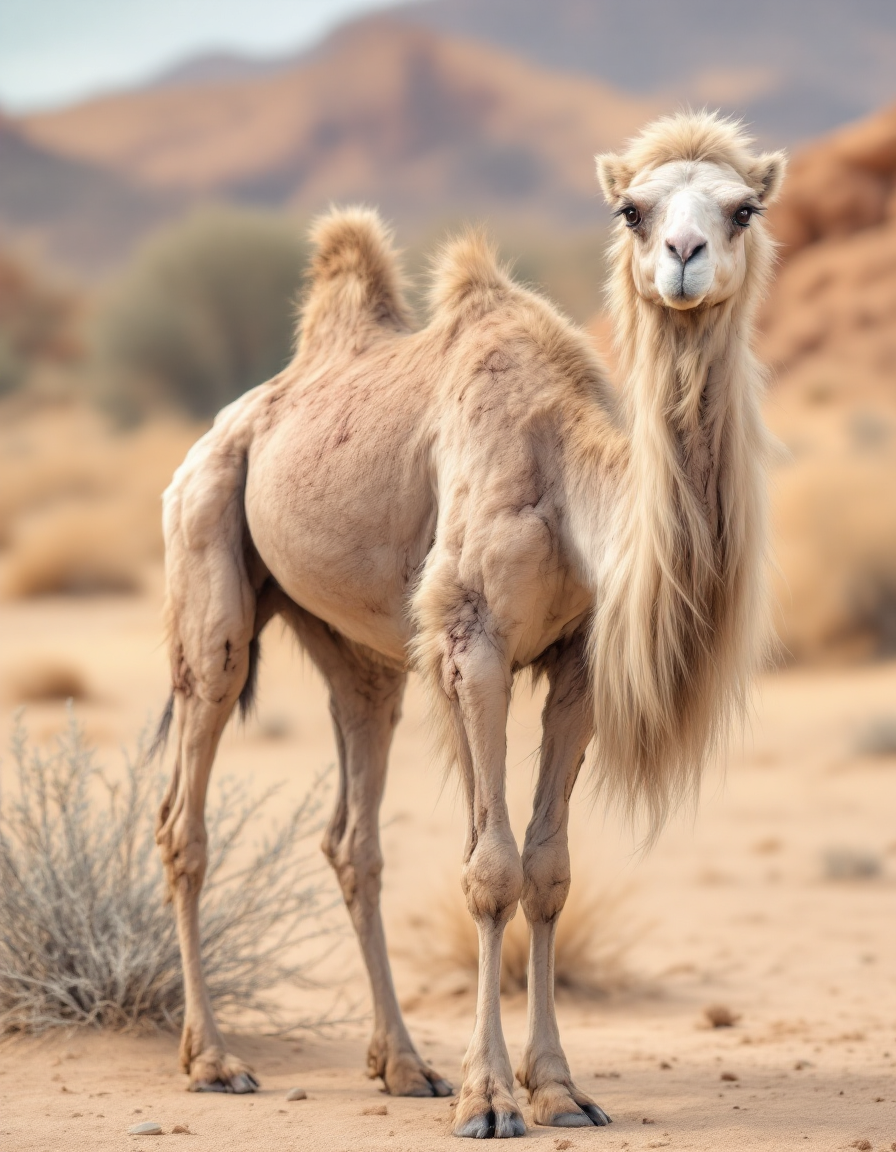
Progressive weight loss despite good appetite, intermittent fever, anemia, weakness, swelling of limbs, abortion in pregnant females, and neurological signs in advanced stages.
Treatment
Several trypanocidal drugs are effective, including Suramin, Diminazene aceturate, Isometamidium chloride, and Quinapyramine. Veterinary consultation is essential.
Camel Brucellosis: A Costly Contagion
The Culprit
Bacteria Brucella melitensis and Brucella abortus. A significant zoonosis that can infect humans.
Symptoms
Females: Late-term abortion, retained placenta, infertility. Males: Testicle inflammation, infertility. Both: Fever, lethargy, swollen joints.
Prevention
Regular testing, removal of positive reactors, vaccination where appropriate, strict hygiene during calving, and pasteurization of milk.
Transmission occurs primarily through contact with aborted fetuses, placental tissues, or vaginal discharges from infected females. It can also spread via contaminated milk, urine, and during mating. Treatment is highly discouraged in most control programs due to difficulty achieving a bacteriological cure and persistent risk of shedding bacteria.
Camel Mange (Sarcoptic and Psoroptic): The Itch That Cripples
Symptoms
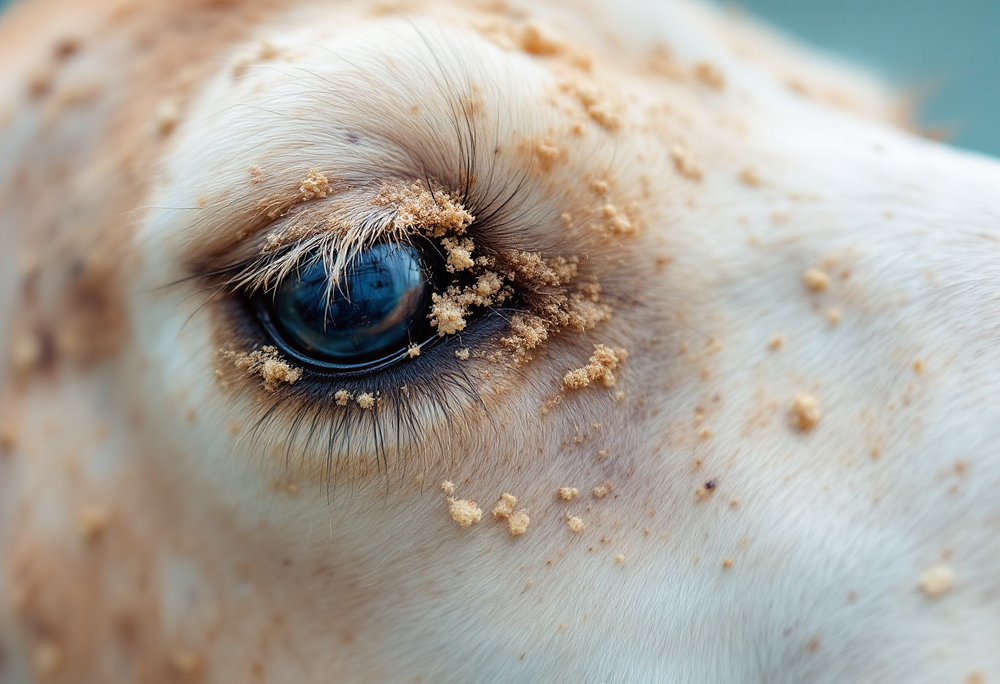
Intense itching causes camels to constantly rub and scratch. Hair loss begins on the neck, flanks, and inner thighs before spreading widely. The skin becomes thickened, wrinkled, and crusty, especially with Sarcoptic mange.
The Culprits
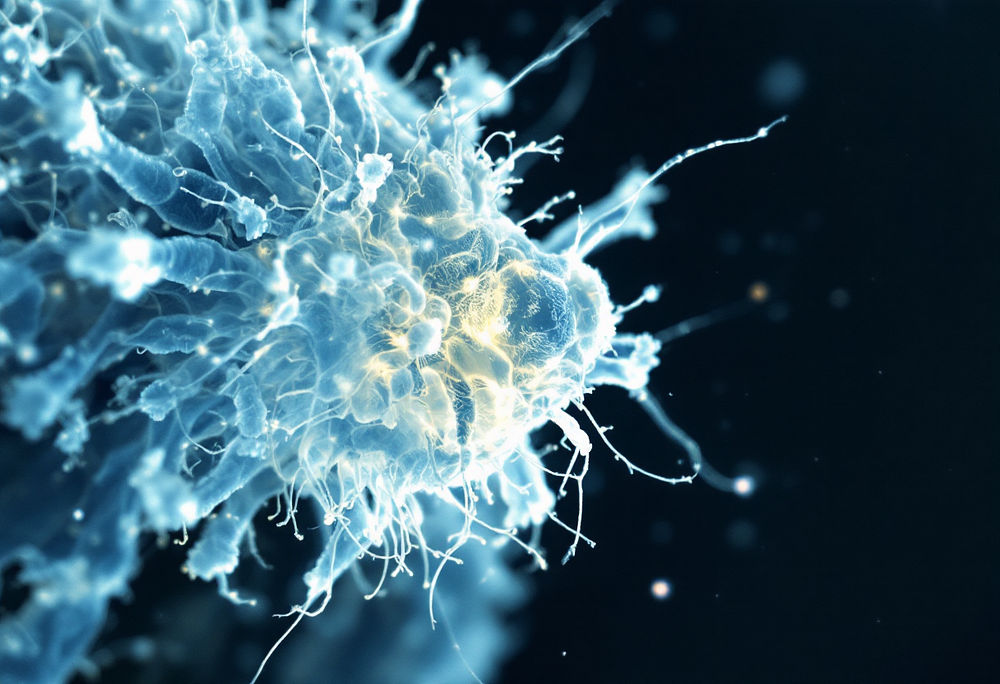
Microscopic mites: Sarcoptes scabiei var. cameli (burrowing into skin) and Psoroptes spp. (surface feeding) cause severe damage. Highly contagious through direct contact or contaminated equipment.
Treatment
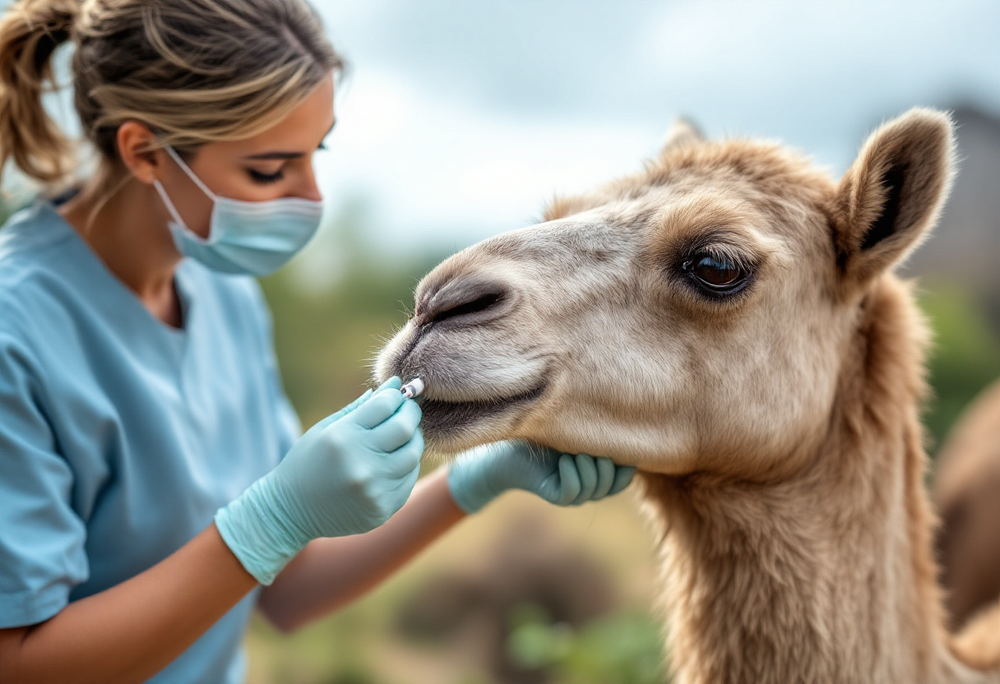
Requires persistence with multiple applications of macrocyclic lactones (ivermectin, doramectin) or acaricidal sprays/dips. Supportive care for secondary infections is also important.
Prevention involves quarantine of new arrivals, regular inspection of camels, proper hygiene of equipment, pasture rotation, and prophylactic treatment in high-risk situations. Severe untreated cases can lead to death, especially in young or weak animals.
5. Respiratory Infections: Pneumonia Complex
Initial Viral Infection
Viruses like Parainfluenza-3 weaken respiratory defenses
Treatment Approach
Antibiotics, anti-inflammatories, and supportive care are essential

Secondary Bacterial Invasion
Bacteria like Mannheimia haemolytica and Pasteurella multocida cause pneumonia
Stress Factors
Transport, overcrowding, poor ventilation, and weather extremes trigger outbreaks
Symptoms include depression, loss of appetite, fever, nasal discharge, coughing, and labored breathing. Transmission occurs through inhalation of respiratory droplets. Prevention focuses on stress reduction, proper ventilation, good nutrition, vaccination where appropriate, and prompt isolation of sick animals.
6. Internal Parasites: The Hidden Burden
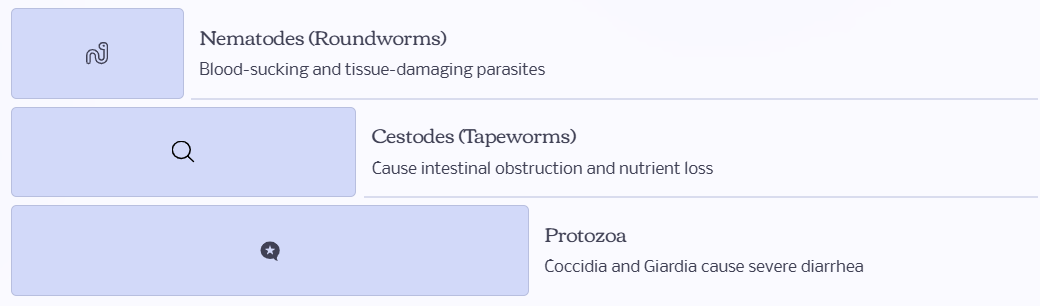
Symptoms include poor growth, weight loss, anemia, diarrhea, rough hair coat, and reduced productivity. Parasites spread through ingestion of eggs or larvae from contaminated pasture, feed, or water. Prevention requires strategic deworming with broad-spectrum anthelmintics, pasture management, proper sanitation, and use of coccidiostats in high-risk situations.
Treatment should be based on parasite diagnosis through fecal examination, using appropriate anthelmintics and antiprotozoal drugs under veterinary guidance. Severe cases need supportive care including fluids and nutritional support.
Beyond Disease Prevention: The Pillars of Camel Well-being
Preventing disease goes hand-in-hand with overall excellent management:

Veterinary Care
Regular health checks and prompt treatment
Record Keeping
Track treatments, breeding, and health events
Hygiene & Sanitation
Clean living areas and proper waste management
Shelter & Space
Protection from elements and adequate room
Nutrition
Balanced diet and clean water access
Conclusion: Vigilance is the Lifeline
Camels are indeed resilient, but their health cannot be taken for granted. Diseases like MERS, Trypanosomiasis, Brucellosis, Mange, Respiratory Complexes, and Internal Parasites pose constant threats to their welfare, productivity, and survival, with some spilling over to human health. Combating these requires a proactive, multi-faceted approach rooted in knowledge and diligent management. By understanding the diseases, implementing rigorous biosecurity and hygiene protocols, practicing strategic parasite control, reducing stress, ensuring excellent nutrition and shelter, and partnering with a knowledgeable veterinarian, camel owners and herders can build robust defenses. Protecting these magnificent “ships of the desert” from disease isn’t just an act of husbandry; it’s an investment in the sustainability of livelihoods, cultures, and the unique bond between humans and these extraordinary animals. Stay informed, stay vigilant, and prioritize the health of your herd.